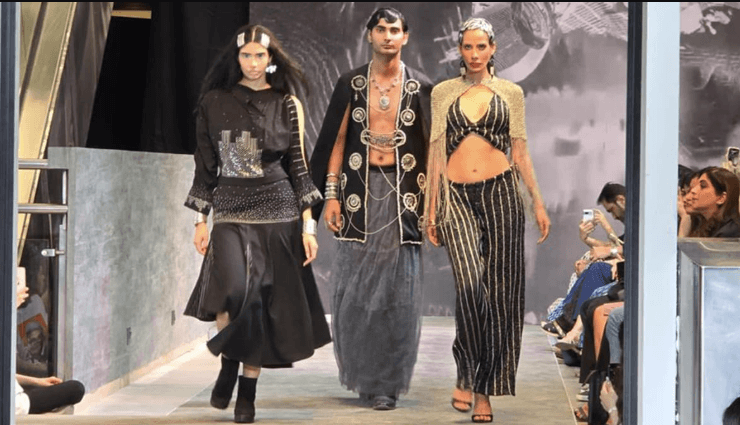

Creative business models in fashion fuse data-driven agility with community participation. Renting, resale, and on-demand access turn utilization into value, while transparent lifecycle data guides sustainable choices. Co-creation, subscriptions, and micro-capsules deepen engagement and enable rapid iteration. Data, tech, and governance sustain responsible innovation. The ecosystem’s forecast, collaborations, and modular design shape credibility and reach, reducing waste. A new economy emerges—structured yet flexible—inviting partners to test, adapt, and co-create ongoing transformations.
What Creative Models Are Transforming Fashion Today
The fashion industry is being reshaped by creative business models that blend sustainability, technology, and collaboration to unlock new value. Data informs decisions on supply, demand, and timing, guiding bold moves across ecosystems. Fashion forecasting illuminates trends, while brand collaborations accelerate credibility and reach. These models empower designers and partners to iterate openly, reduce waste, and redefine value through shared, transparent outcomes. Freedom fuels progress.
Renting, Resale, and On-Demand: Access Over Ownership
Across fashion ecosystems, renting, resale, and on-demand access are reshaping ownership by turning utilization into value, driven by transparent data on utilization cycles, lifecycle emissions, and consumer intent.
The era highlights renting models, resale platforms, and on demand access, supported by subscription services.
This data-driven, collaborative framework empowers freedom-minded stakeholders to redefine value, sustainability, and choice without static ownership constraints.
Co-Creation, Subscriptions, and Micro-Capsules: Engaging Communities
Co-creation,Subscriptions, and Micro-Capsules: Engaging Communities harnesses the power of collaborative design to deepen participation beyond ownership, building value through collective input and modular, time-bound product solutions. The approach maps co creation dynamics within fashion ecosystems, where brand participante and consumer co-designs redefine ownership, membership, and mood.
Subscription economies fuel predictable demand, while micro-capsules enable rapid, responsive iterations and inclusive brand storytelling.
Data, Tech, and Sustainability: The Systems Behind New Business Models
Data,Tech, and Sustainability underpin the new fashion economy by converting streams of consumer data, advanced analytics, and lifecycle assessments into actionable strategies for design, production, and stewardship.
The field champions data ethics, supply transparency, and tech enabled circularity, enabling transparent governance and collaborative ecosystems.
This systems approach catalyzes responsible innovation, empowering designers, manufacturers, and wearers to co-create sustainable, freedom-forward futures.
Frequently Asked Questions
How Do Independent Designers Access Funding for New Fashion Models?
Independent designers access funding via access grants, crowdfunding loans, and collaborative partnerships. This visionary, data-driven approach empowers freedom-seeking creators, enabling scalable experimentation while metrics reveal impact, community trust builds, and diverse models accelerate sustainable fashion innovations.
What Legal Pitfalls Arise With Rental and Resale Platforms?
A hypothetical platform faces rental regulation and resale compliance pitfalls, including liability for damaged items and misrepresented provenance. The case study demonstrates proactive vetting, transparent fee structures, data-driven risk scoring, and collaborative policy alignment empowering freedom while protecting participants.
How Is Customer Data Protected in On-Demand Fashion Services?
Customer data in on-demand fashion services is protected through robust encryption, access controls, and privacy-by-design practices, ensuring consent-based, auditable use; data privacy and user analytics inform transparent, collaborative innovations while preserving freedom to explore trusted, transformative experiences.
Can Fast Fashion Brands Realistically Shift to Subscription Models?
Answer: Yes, with constraints. Fast fashion brands could adopt subscription models, leveraging garment durability data and rental platforms; collaboration and data-driven insights enable scalable circulation, while providing freedom and transparency to consumers seeking flexible, sustainable wardrobe access.
See also: Home Office Lighting Ideas That Reduce Eye Strain
How Do These Models Impact Garment Quality and Durability?
The impact on garment durability and material longevity varies; models emphasizing reuse and repair can extend life, while rapid replenishment pressures quality. Data-driven collaboration suggests standardized durability metrics, transparent sourcing, and consumer freedom through modular, repairable designs.
Conclusion
The fashion ecosystem is evolving toward a collaborative, data-driven horizon where access, participation, and transparency redefine value. Renting, resale, and on-demand use bend ownership norms, while co-creation and micro-capsules fuel ongoing engagement. A pivotal insight shows that circular business models can reduce total lifecycle waste by up to 30% when paired with robust data governance and modular design. This visionary approach blends ecosystems, tech, and sustainability to democratize innovation and accelerate credible, responsible growth.