
Eye strain in home offices often stems from mismatched lighting, glare, and uneven brightness. A precise approach combines layered illumination—ambient, task, and accent—so users can adjust without harsh contrasts. Evidence supports cooler temps for daytime work and warmer tones after hours to ease adaptation. Glare control and screen-angled placement further reduce fatigue, while practical tweaks and budget-minded setups prove accessibility matters. The next step lays out actionable strategies that balance clarity with comfort, inviting careful consideration of each detail.
What Causes Eye Strain From Home Office Lighting
Eye strain from home office lighting primarily arises from a mismatch between lighting conditions and task requirements, as well as improper light quality. The mechanism involves sustained accommodative effort and glare sensitivity, with insufficient contrast or excessive brightness amplifying discomfort. Empirical evidence links digitized screen use to eye strain, while lighting causes inadequate distribution, flicker, and color temperature misalignment that elevate visual fatigue and reduce comfort.
Layered Lighting Setup: Ambient, Task, and Accent in One Plan
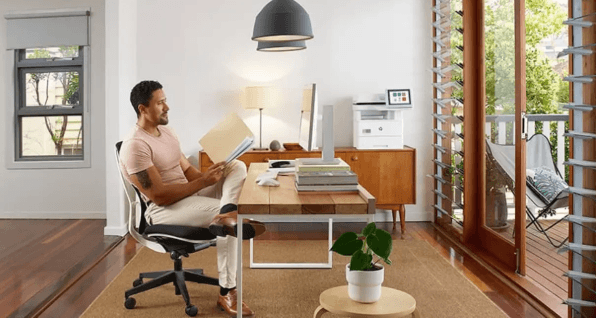
A layered lighting setup integrates ambient, task, and accent illumination into a single plan to optimize comfort and performance in a home office. This approach supports balanced lighting, reducing glare while maintaining visual acuity. By combining layered lighting with deliberate color temperature choices, occupants sustain focus without excess brightness, enabling freedom to work across tasks and spaces.
Practical Tweaks: Color Temperature, Glare Control, and Layout
Practical tweaks to color temperature, glare control, and layout build on the layered framework by translating lighting concepts into actionable adjustments.
The analysis notes color temperature choices aligned with screen use, emphasizing cooler lighting for daytime tasks and warmer tones for evenings.
Glare control reduces contrast spikes, while layout prioritizes unobstructed sightlines and defined task lighting zones for focused work.
Quick-Room-Ready Checks and a Subtractive Budget-Friendly Setup
Quick-room checks streamline setup by prioritizing core factors: light placement, glare mitigation, and immediate tasks.
Quick room ready checks identify essential elements: desk position, monitor height, ambient brightness, and task lighting adequacy.
A subtractive budget friendly setup minimizes clutter and expenses by repurposing existing luminaires, reducing new purchases, and optimizing natural light.
This approach supports freedom without compromising visual performance or comfort.
Frequently Asked Questions
How Can I Test for Eye Strain After Work Hours?
The person can implement test methods such as eye strain questionnaires and symptom logs, conduct after work monitoring, and use digital luminance measurements. Testing methods include accommodation tests, flicker sensitivity checks, and posture observations for after work monitoring purposes.
Which Lighting Presets Suit Long Video Calls?
Ambient accents and soft white presets support long video calls, with task layering guiding glare reduction and color temperature tuning to reduce fatigue; evidence suggests stable eye comfort when lighting adapts to activity, while maintaining freedom through balanced luminance.
Do Wearables Help Monitor Lighting Impact on Eyes?
Wearable sensors can monitor lighting impact on eyes, providing quantitative data. Eye tracking feedback helps quantify pupil response and gaze stability, enabling personalized adjustments. Evidence suggests moderate accuracy; freedom-minded users may value continuous, nonintrusive monitoring to optimize comfort.
Can Desk Plants Affect Perceived Brightness?
Juxtaposing literal light with green presence, desk brightness appears subtly modulated by plant aesthetics. While plants do not brighten, their surfaces influence perception; diffuse shadows and contrast shifts can alter perceived luminance. Two-word discussion ideas: desk brightness, plant aesthetics.
See also: Careers in Data Science
Are There Budget-Safe Glare-Reduction Accessories?
Yes, there are budget-friendly glare reduction options. Budget safe solutions include under $20 accessories like anti-glare screen covers and adjustable desk lamps. These budget friendly glare measures offer practical, evidence-based reductions without compromising freedom of setup.
Conclusion
A balanced home office lighting scheme reduces eye strain by harmonizing ambient, task, and accent layers, while thoughtful placement minimizes glare and harsh contrasts. Evidence-based guidance—cooler daytime temperatures, warmer evening tones, and adjustable luminaires—supports adaptable work environments. By aligning light levels with screen use and desk tasks, users can sustain focus with less fatigue. The key is deliberate design details that invite prolonged productivity, like diffuse surfaces, glare-aware angles, and repurposed lamps that keep sightlines clear.